What does a freight forwarder do
A freight forwarder plans, coordinates and manages the transport of goods. This includes selecting suitable transport modes, arranging carriers, handling documentation and supporting compliance with international regulations.
In addition, freight forwarders handle or arrange customs procedures, often in cooperation with licensed customs brokers.
How does freight forwarding work
Freight forwarding starts with assessing the shipment requirements, such as type of goods, destination, timelines and volume. Based on this, the forwarder selects the most efficient transport solution.
The process typically includes booking transport, preparing documentation, coordinating with carriers, and tracking and coordinating the shipment from origin to destination. Throughout the journey, the freight forwarder acts as a central point of contact, ensuring smooth communication between all parties involved.
The types of freight forwarding
Freight forwarding can be organised through different transport modes, depending on the specific needs of the supply chain.
By road
Road freight forwarding offers flexibility and direct delivery. It is commonly used for short- to medium-distance transport and for first-mile and last-mile operations. By utilizing the capacity of the road transport network as efficiently as possible, freight forwarding also contributes to more sustainable road transport operations.
By sea
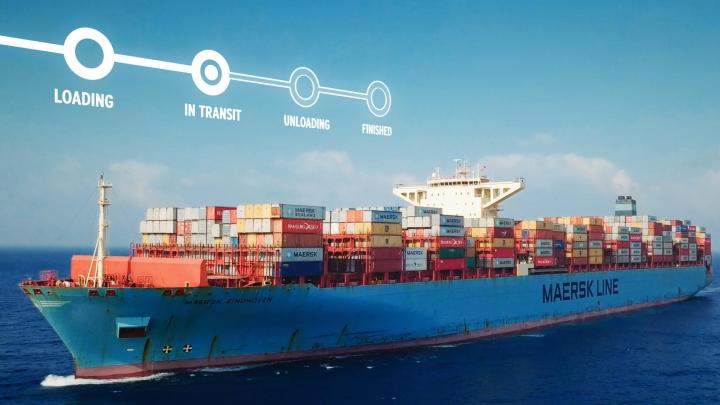
Sea freight forwarding is suitable for international shipments and large volumes. It provides a cost-efficient solution for transporting goods across long distances.
By rail
Rail freight forwarding is a reliable option for transporting large volumes over land. It offers a balance between cost efficiency and sustainability, especially across long distances.
By air
Air freight forwarding is used for time-sensitive shipments. It offers speed and reliability, making it ideal for high-value or urgent goods.
Intermodal freight forwarding
Intermodal freight forwarding combines multiple transport modes within a single journey, without unloading the cargo itself from its transport unit when switching between modes. This approach reduces handling risks, improves efficiency and can support more sustainable supply chain solutions.
Freight forwarding in bulk transport
Freight forwarding in bulk transport focuses on the safe and efficient movement of liquid and dry bulk goods. It involves specialised equipment such as tank containers and silos, combined with strict safety, cleaning and quality procedures to protect sensitive products throughout the transport process. Digital solutions like Bulkio can support this by matching bulk transport demand with available capacity to create more efficiently.