Outside the rules
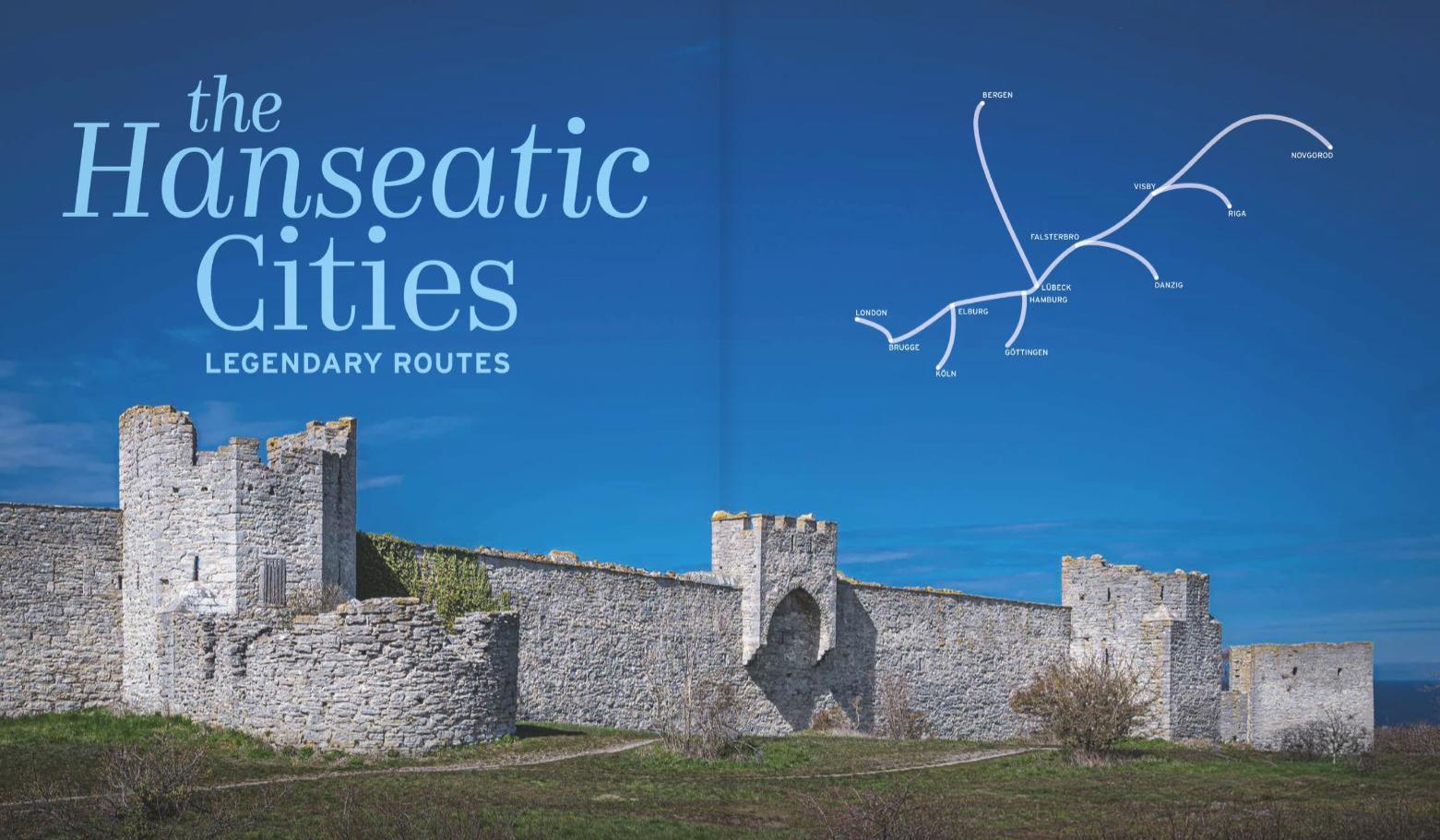
You could see the Hanseatic League as one of the first multinationals to operate internationally outside the laws and regulations set by counts, dukes and kings. Initially, it was an association of merchants, but from 1356 it became a union in which the wider interests of member cities were central. On so-called Hanseatic days, members voted on trade, membership and military matters.
Waterborne bulk innovation
The North Sea and the Baltic Sea were important waters for the Hanseatic cities. But the IJssel River was also an essential artery on which goods such as wood, fish, grain, fabrics and salt were transported. To do this in the most advantageous way, the Hanseatic traders introduced the ‘cog’, an innovatively designed, particularly spacious freight vessel which transported goods in bulk across Europe. Thanks to its flat bottom, it had a lot of cargo space and could hold about a hundred times as much cargo as a cart. Used on a large scale, this step change in efficiency – along with with the members’ cooperativeness – made the Hanseatic cities the largest power bloc in Europe.
Basis of European cooperation
The Hanseatic League eventually fell apart due to a combination of circumstances. For example, competition from other trade associations increased. Denmark and Sweden eventually acquired a monopoly on trade in the Baltic Sea. And the Dutch seized control of trade with England. The Reformation also played a role. As Catholicism disappeared in Northern Europe, the demand for pickled herring – a popular snack in Catholic areas – also declined. This had been an important source of income for the Hanseatic cities. The last Hanseatic Day was in 1669. After that, only Lübeck, Bremen and Hamburg remained members of the alliance, which was finally dissolved in 1862, but which, according to various historians, was the basis for cooperation on trade in Europe – basically as we know it today.
The original and full version of this article appeared in the first issue of our Game Changer magazine.