Quotation request

Partner logins

Employee logins

The journey of whisky

Product case

Whisky is booming business. That goes for Van den Bosch too: the amount of Scotch whisky that we ship to destinations worldwide is growing every year. And that presents opportunities, including for making our operations more sustainable.

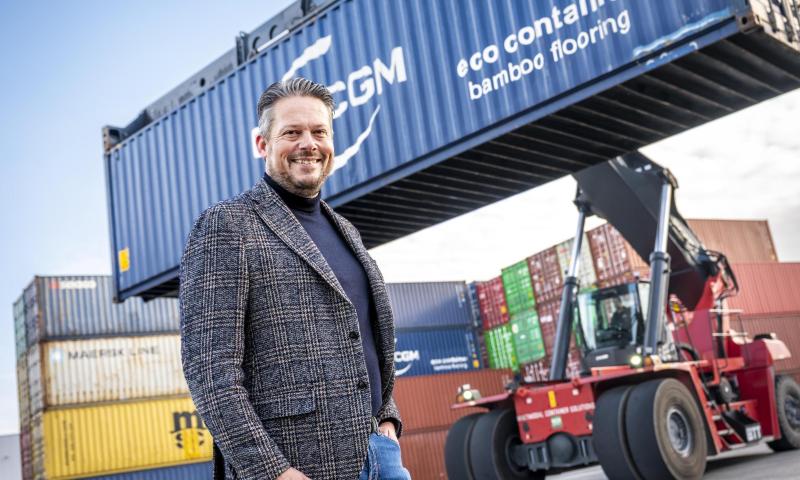
Bart van de Vorst is Managing Director of Van den Bosch Dubai, from where we coordinate deep see operations for the transportation of Scotch whisky. Van de Vorst says. “We export for three leading Scottish distilleries. They mainly export to India, although countries like America, Brazil and South Africa are also major whisky importers." From those countries, export movements take place again, with Scotch whisky eventually ending up in hundreds of countries around the world. To reach those countries, the whisky makes an intermodal journey from Scotland: a combination of mainly rail, water and local transport (often trucks).

Efficient and sustainable

The whiskies we transport are in fact highly concentrated blends. This fits with our ambition to make our transport as efficient and sustainable as possible, says Van de Vorst. "The whisky concentrates have an alcohol content of 66.8%. Only in the destination country are they diluted to the desired strength and given the desired flavour, depending on the label under which they end up on the market. Our advantage is that this way of working is much more efficient than transporting ready-to-drink whisky, as we don’t need to transport excess water.”

Whisky versus brandy, rum and tequila

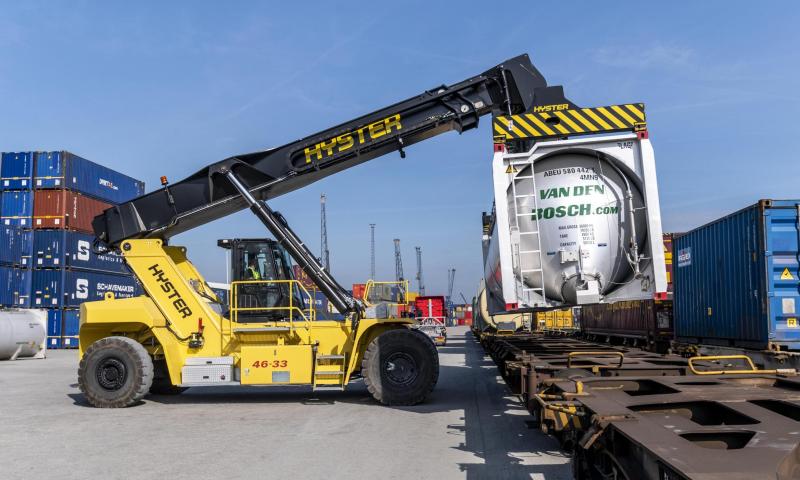
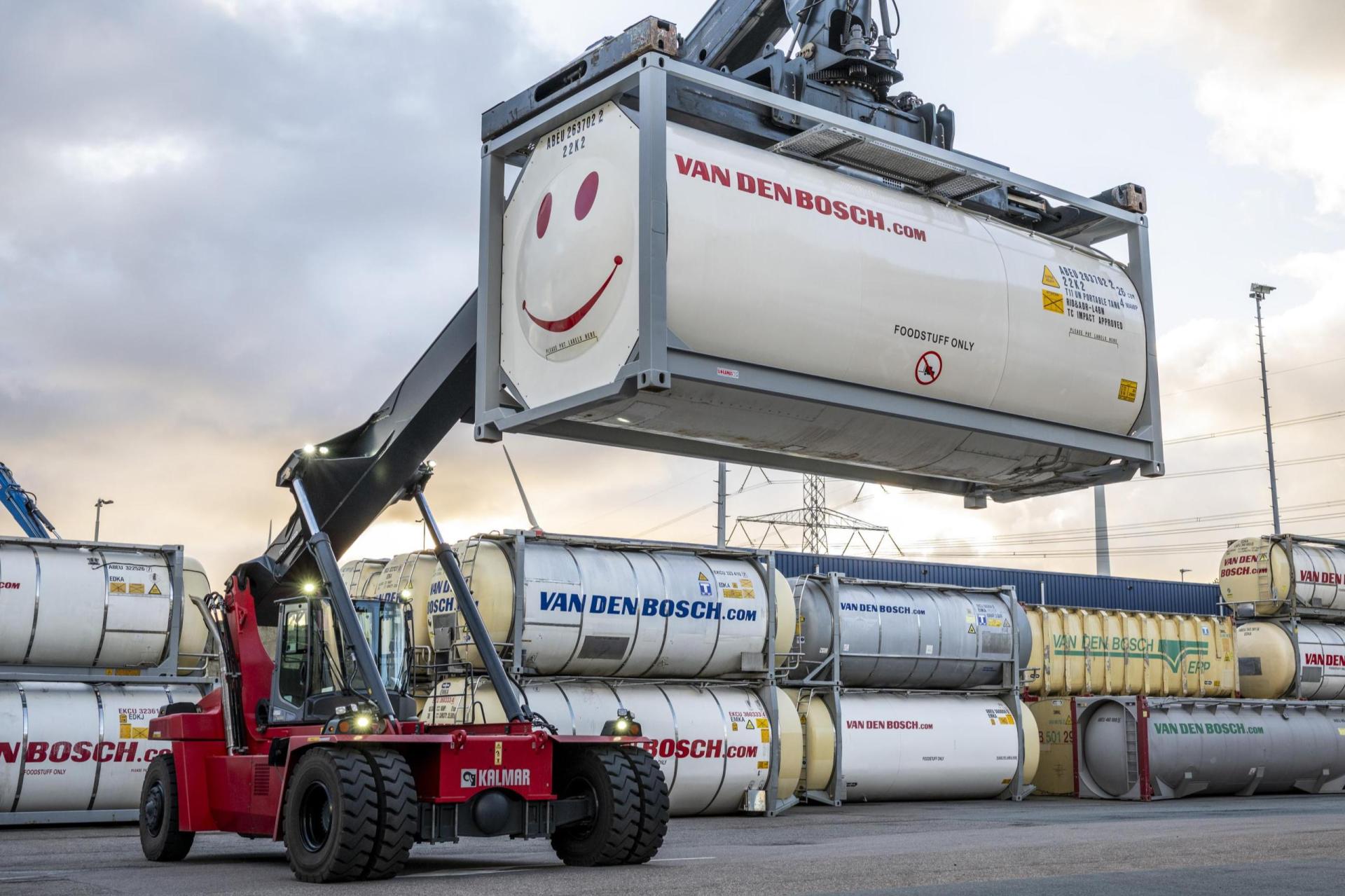
Another aspect in the logistics puzzle: we prefer transporting full ISO tanks. But since the volume of whisky that Scotland exports is far greater than that of the other liquids it imports, this poses a challenge. We solve this through lateral thinking.

For example, after unloading a consignment of Scotch whisky at a Spanish port, the cleaned containers will be filled for the return journey with a product such as brandy or olive oil. The same goes for, say, wine from France, tequila from Mexico, or rum from Caribbean countries.

Whisky of whiskey?

It’s a classic question: should you spell it as ‘whisky’ or ‘whiskey’? Actually, both are correct. The difference in spelling is due to Irish whisky producers being so proud of their product that they added an extra ‘e’. That way, their customers would be sure they were holding a genuine Irish whisky (or rather, ‘whiskey’). Americans also use the extra ‘e’. But in Scotland, Canada, Japan and India, distilleries produce ‘whisky’.

Strict rules

The stringent rules that Scottish distilleries have for transporting such 'arrival liquids' also pose a challenge. Van de Vorst comments, "They want to avoid the colour, smell or taste of their whisky being affected by residues from previous loads. This is why distilleries have specific product lists for prior cargoes. Liquids such as alcoholic drinks, fruit juices, edible oils and fats (such as olive oil) are allowed, fish oil is not.”

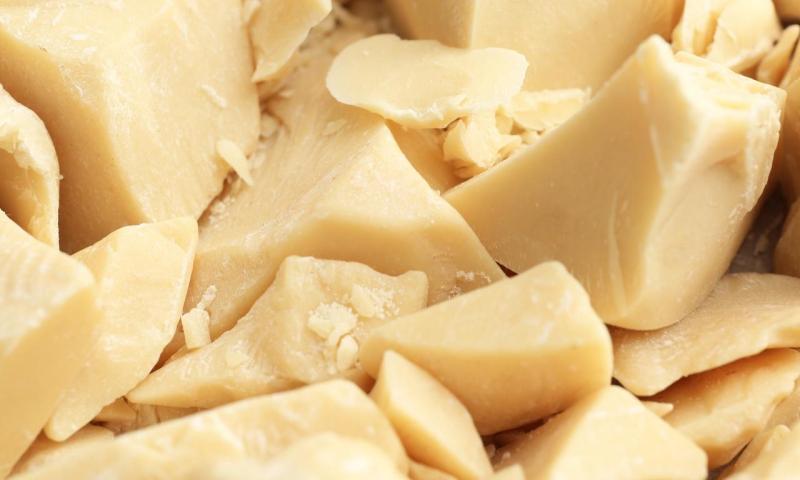
“A product like cocoa butter would also be suitable. Therefore, we’re exploring the possibility to transport a product like cocoa butter as a bulk liquid, rather than in blocks. This would let us optimise our supply chain even further.”

Growing opportunities in India

As well as Europe, India also offers plenty of opportunities. Demand for whisky is rising, and following the recent trade agreement between the United Kingdom and India, this is expected to increase further. This also means that demand for reliable and efficient logistics solutions is growing.

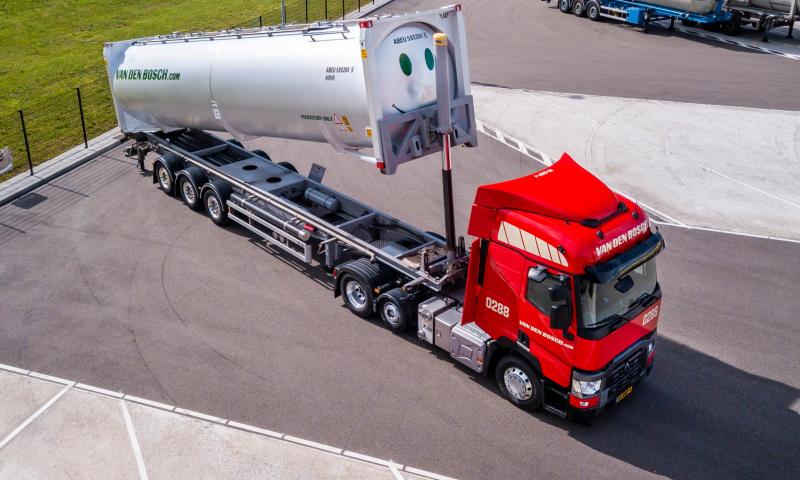
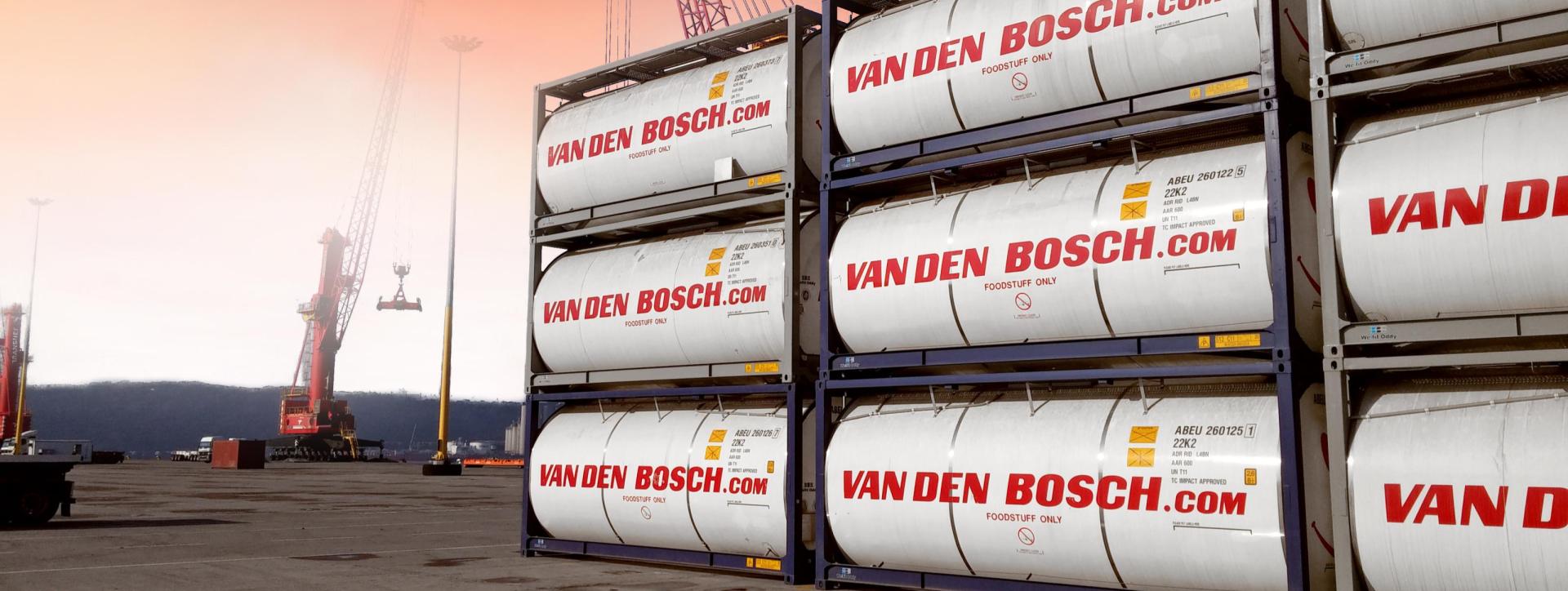
“Van den Bosch is one of the largest logistics service providers for the bulk transport of whisky in ISO tank containers to India,” says Van de Vorst. “With our many years of experience and specialist knowledge, we support producers in serving this growing market. As exports rise, this offers us opportunities to further expand our strong market position and further strengthen our standing as a specialist.”