What does CMR mean in logistics?
CMR stands for Convention relative au contrat de transport international de marchandises par route, or in English: the Convention on the Contract for the International Carriage of Goods by Road. It is an international agreement that standardises key aspects of the contract for international road transport, including liability and documentation, across European countries and beyond.
The CMR plays a crucial role in international logistics by defining the responsibilities, liabilities and documentation requirements for senders, carriers and consignees.
The definition of CMR
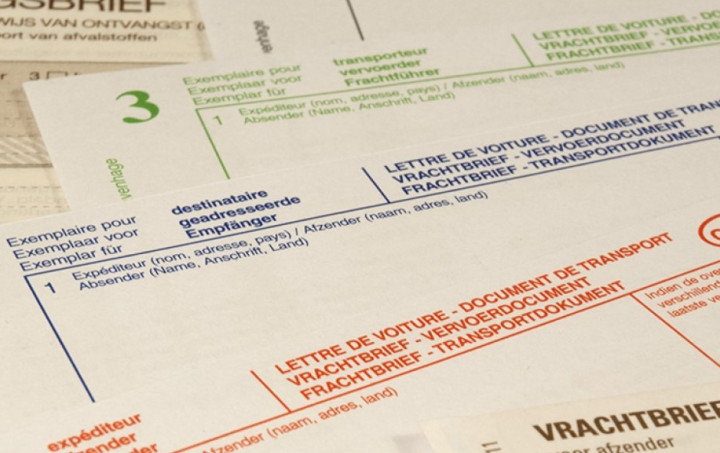
The CMR refers to both the international legal framework governing road transport and the CMR consignment note, which is the standardised transport document used in this context. It governs the contract of carriage between the sender and the carrier, while also defining the rights of the consignee and clarifying responsibilities, risks and liabilities during transport.
The CMR consignment note serves as evidence of the transport agreement and accompanies the goods throughout the journey.
What does a CMR contain?
A CMR document includes essential information required for the transport process, such as:
- Details of the sender, carrier and consignee
- Description of the cargo
- Quantity, weight and packaging
- Place and date of loading and delivery
- Transport instructions and conditions
This standardised format ensures transparency and consistency across international transport operations.
Different formats of the CMR consignment note
Different formats of the CMR consignment note are used in practice, depending on operational preferences and processes.
Pre-printed
The pre-printed CMR has the company details and carrier code already filled in. This ensures consistency and reduces the risk of errors during the transport process.
Blank
If a blank CMR is issued, these details must be filled in manually. This offers flexibility, but requires careful completion to ensure accuracy and compliance.
eCMR
The electronic CMR (eCMR) is a digital version of the consignment note. It enables real-time data exchange, reduces administrative work and is increasingly used in international transport where legally accepted.
How to use a CMR
A CMR consignment note is typically completed before the start of the transport and signed by the sender and carrier. It accompanies the goods throughout the journey and is usually checked and signed upon delivery by the consignee.
At Van den Bosch, clear documentation is part of a broader safety culture. In situations involving incidents or unsafe conditions, proper documentation, including the CMR, supports clear communication and traceability throughout the transport process, as outlined in our safety and emergency guidelines.
Why a CMR matters in modern logistics
The CMR remains a cornerstone of international road transport. Whether in paper or digital form, it supports clarity and legal certainty across the logistics chain.
By combining standardised documentation with digital innovation and strong safety practices, companies can build more reliable, efficient and future-ready transport operations.