Unseen history
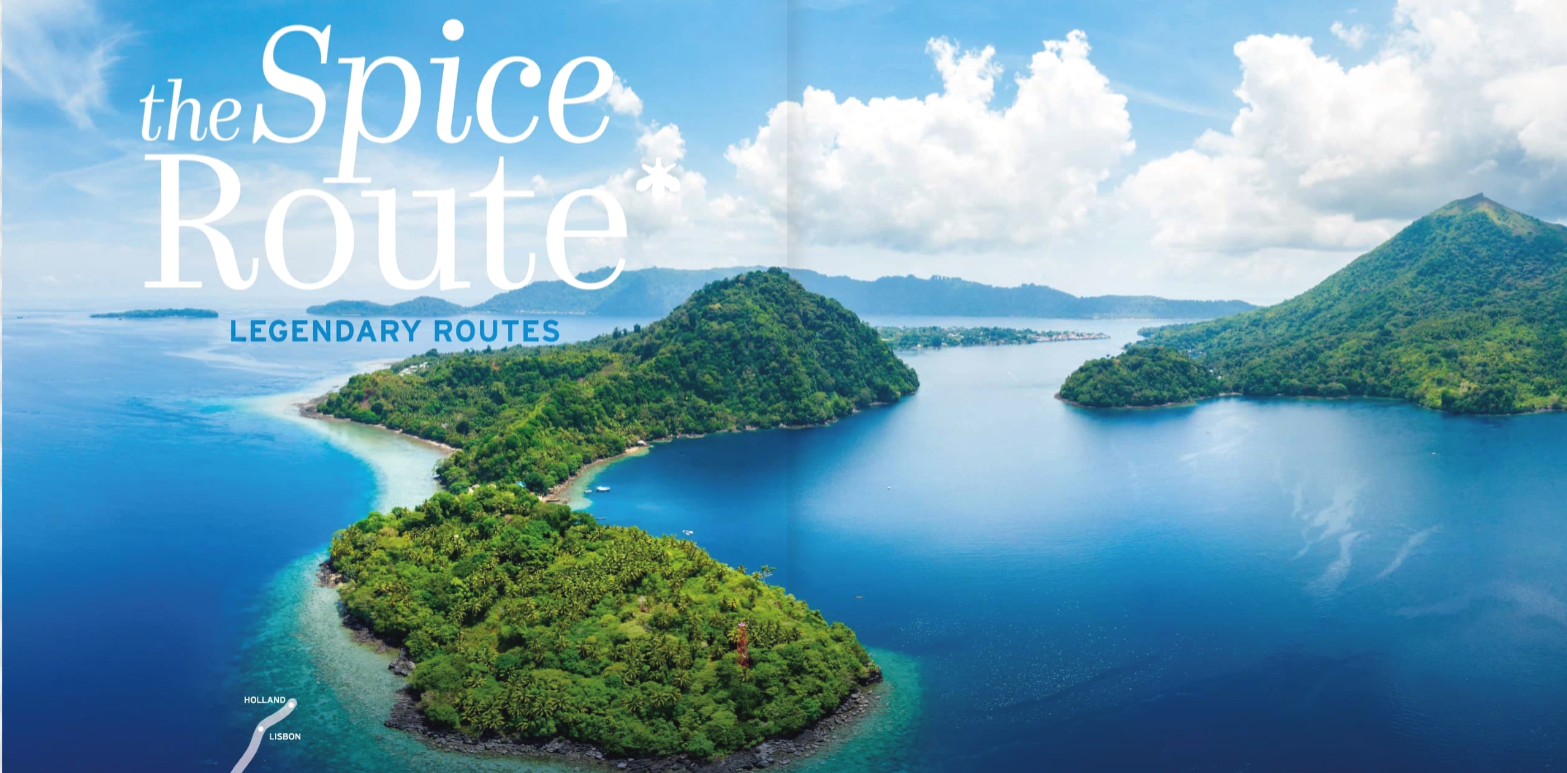
Ask the average Dutch person about the heyday of the VOC, and you’re sure to hear about the trade with – and the later colonisation of – Indonesia. However, an often neglected factor that played a pivotal role in the Spice Route was the trade with India. The way in which business was done led to the glory days known as the Golden Age, both for the Netherlands and for India. This made the two countries remarkable exceptions in a century when the rest of the world was in crisis, as Jos Gommans notes in his beautifully illustrated book ‘The Unseen World: the Netherlands and India from 1550’. "India was essential for the Dutch at that time for trade along the Spice Route”, says the academic, who is Professor of Colonial and Global History at Leiden University. "Traders used Indian textiles to buy spices on the Indonesian islands and they used Indonesian spices to buy textiles in India. It was a win-win situation."
The power of Dutch pragmatism
The way the Dutch did business in India was characterised by its pragmatism. "The Dutch soon realised that the Mughals, the local rulers, were unconquerable. So trading became a matter of maintaining contacts, setting up partnerships and finding a way to co-exist. Initially, this way of doing business was born out of pragmatism rather than principle. Nevertheless, this style of trading relationship turned out to work best for both countries."
A good example of this kind of ‘give and take’ was the help that the Dutch offered the Mughals to enable them to go on pilgrimage to Mecca. "The Dutch had the expertise to carry out a large part of that journey by ship. Helping the Mughals with their journey in turn led to the Dutch gaining access to the market of Northern India. Another good example of reciprocity was the supply of silver by the VOC, which helped the Mughals to have a strong currency: the silver rupee."
Artistic and cultural inspiration
Yet there were of course still various individuals who invested in the local culture not from a practical or financial perspective, but purely because they were interested in it. One such person was Adriaan van Reede tot Drakestein, who worked with Indian intellectuals to produce the twelve-volume ‘Indicus Malabaricus’, an impressive series of books about the local flora. “That was a good example of a true partnership”, Gommans explains.
The full version of this article appeared in our Game Changer magazine, issue 2.





-crop-800x480.jpg)
-crop-800x480.jpg)