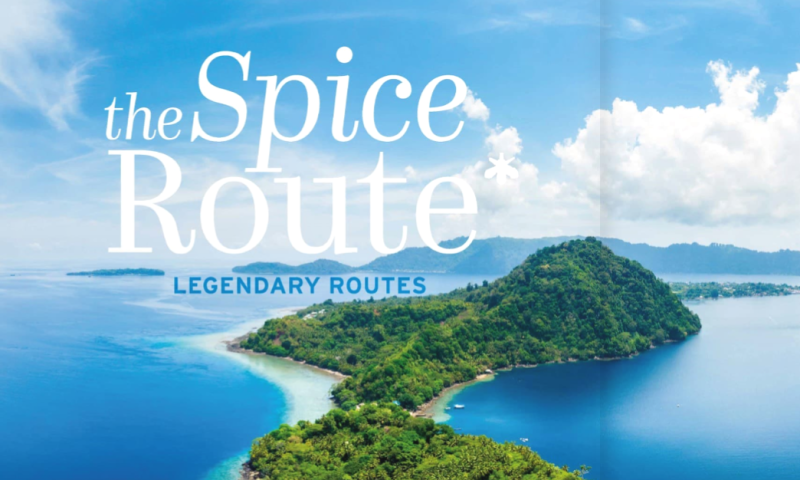
Legendary Routes
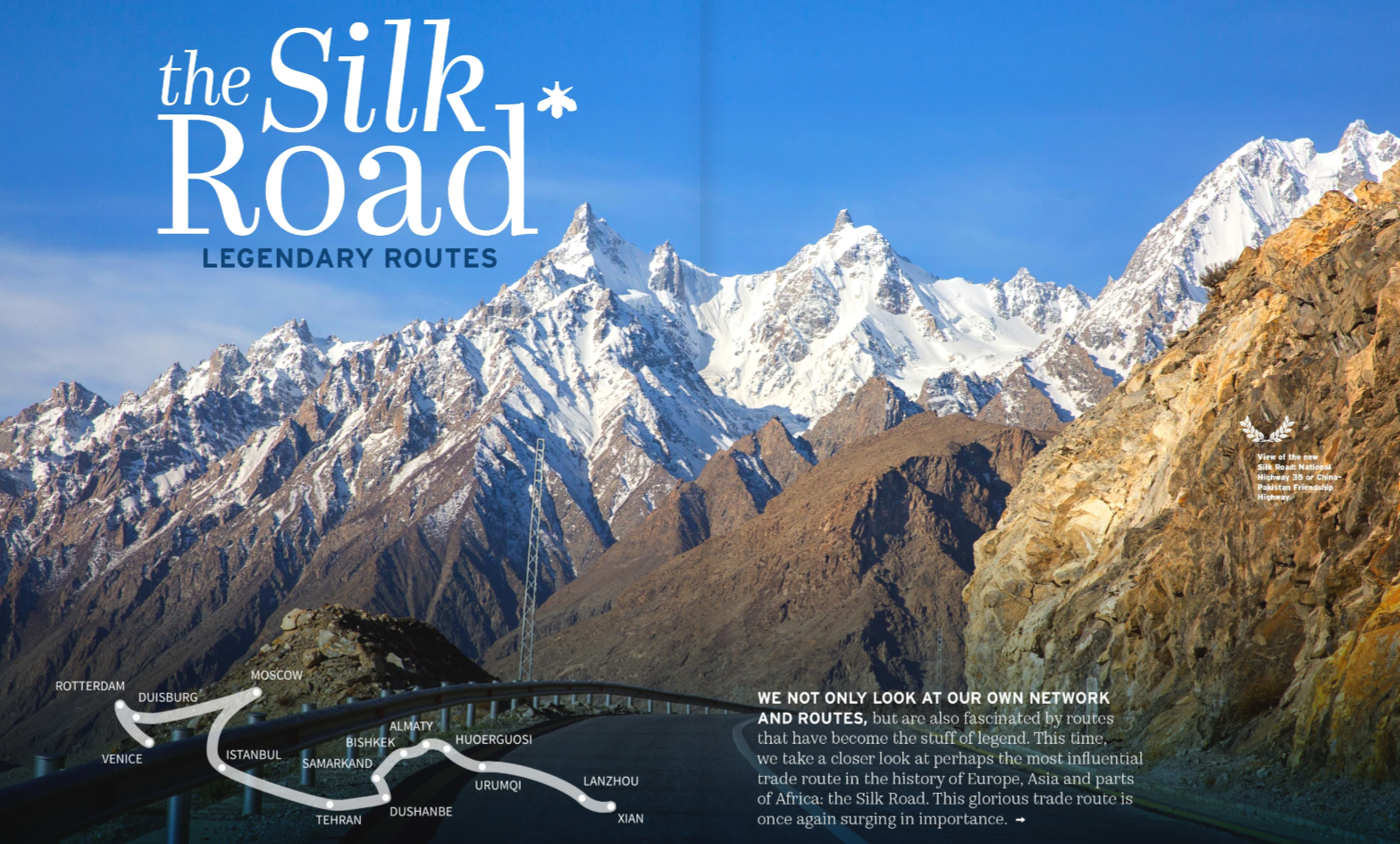
The Silk Road
We not only look at our own network and routes, but are also fascinated by routes that have become the stuff of legend. This time, we take a closer look at perhaps the most influential trade route in the history of Europe, Asia and parts of Africa: the Silk Road. This glorious trade route is once again surging in importance.
Parts of the route were in use more than 2000 years ago. The spread of many of the world's religions could not have happened without this ‘mother of all trade routes’, along which just about everything was traded.
There was little dispute among rulers at either end of the route over one important commodity: the value of silk. From China to Persia and Rome, this fine and delicate textile was considered extremely precious. Incidentally, as Frankopan states in his book, the trade route was only labelled the ‘Silk Road’ for the first time in 1877, by the German geographer and adventurer Ferdinand von Richthofen.
From bloom to decay
In the centuries before that, the Silk Road — like various other classic routes — had often fallen into disrepair due to political struggles, climatic conditions (such as when some oasis cities dried up) and the increase in transportation by sea. Among other things, this led to renewed interest in the West, including the unexplored territories of America.


-crop-800x480.jpg)