Partner logins

Employee logins

Column by Rico Daandels – CEO

Market Insights

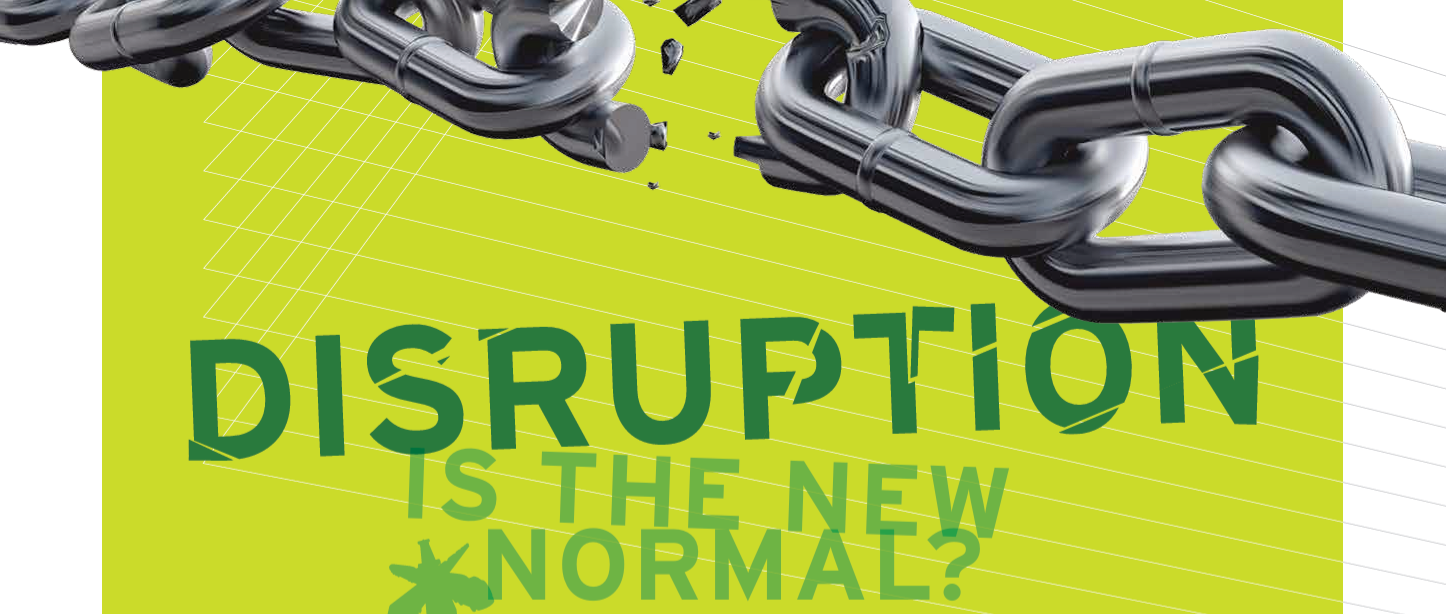
What if disruption is the new normal?

What if disruption isn’t just an occasional challenge but the new normal everyone must face? In 2026, the bulk logistics industry is confronting challenges. As a result, supply chains will be constantly redesigned. How can businesses navigate such relentless change and turn uncertainty into opportunity?

As a sector, we are facing ongoing changes, from new tariffs and climate challenges to failed harvests and restricted trade routes. This means we must embrace agility at our core and build contingency plans that allow us to remain effective even in disruption. We need to design solutions that make us less vulnerable and more resilient to constant shifts. Only then can we create flexible, short term pricing models that keep pace with an ever-changing market. Disruption is no longer a threat but a reality to integrate into how we operate.


Ecosystem thinking

Ecosystem thinking is essential in this regard. It means working closely with both clients and partners in an open and transparent way, so the ecosystem can respond better to disruptions. The traditional customer-supplier mindset is no longer applicable, which calls for a different approach to organisational management. You need to switch quickly and function well within the ecosystem. That means empowering teams for fast decisions and cross-company collaboration. Ultimately, the ecosystem must include all forms of transport modality and solve problems together, including road transport solutions. Forwarding solutions are a model we can apply with partners in the chain to increase flexibility.

Disruption: threat or opportunity?

For the sector, the new developments can be a threat: it is becoming increasingly difficult for smaller distributors to manage this, likely leading to further consolidation. However, I view it, for us as a company, as a next step into the future. To come even closer to clients and partners and more quickly reach concrete alternatives, making costs and improvements more transparent. To gain insight into customers’ forecasts so together we can act faster when deviations occur.

Disruption as the new normal is not just a challenge, it drives transformation. To be successful in the new reality, we must embrace flexibility, build a resilient infrastructure, and foster deep collaboration across the supply chain.

The original text of this column appeared in the article What If in the latest edition of our Game Changer magazine.